Large-particle-size high-purity silica sol has important applications in various aspects in the ceramic industry. The following is a detailed introduction for you:
Enhancement of the Green Body
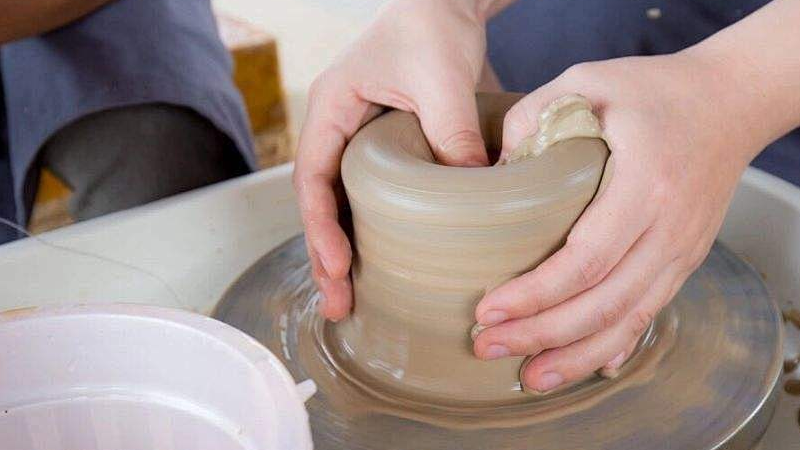
Improvement of Molding Performance: During the preparation of ceramic green bodies, the addition of large-particle-size high-purity silica sol can fill the spaces between ceramic particles. It serves as a lubricant and binder, making it easier to shape the green body during the molding process. This reduces the probability of cracking and breakage. Especially for ceramic products with complex shapes, it can significantly increase the molding qualification rate.
Increase of the Strength of the Green Body: The silica particles in the silica sol can form a uniform protective film on the surface of ceramic particles. With the progress of the drying and sintering processes, the silica sol undergoes a polycondensation reaction, tightly connecting the ceramic particles together. This enhances the strength of the green body, making it less likely to be damaged during subsequent processing and handling.
Improvement of Sintering Performance
Reduction of the Sintering Temperature: Large-particle-size high-purity silica sol has high activity. During the sintering process, the silica in the silica sol can react with other components in the ceramic green body, promoting the diffusion and fusion between particles, thus reducing the sintering temperature. This not only saves energy but also reduces the adverse effects of high temperature on the performance of ceramic products, such as avoiding excessive grain growth.
Increase of the Sintering Density: The silica sol can fill the pores between ceramic particles during the sintering process, making the green body denser. The large-particle-size silica sol particles can effectively fill the larger pores, reducing the porosity and increasing the density of ceramic products. This, in turn, improves their mechanical properties, chemical stability, and thermal stability.
Surface Treatment
Preparation of Glaze: Large-particle-size high-purity silica sol can serve as an important component of the glaze. It can improve the suspension stability of the glaze, enabling the glaze to evenly cover the surface of the green body during the glazing process. At the same time, the silica in the silica sol will react with other glaze components at high temperatures to form a smooth, hard, and glossy glaze surface, enhancing the decorative effect and wear resistance of ceramic products.
Surface Strengthening: By immersing ceramic products in a silica sol solution or applying silica sol to their surface through spraying and other methods, and then subjecting them to drying and heat treatment, a dense film rich in silica can be formed on the surface of the ceramics. This film can increase the hardness, wear resistance, and corrosion resistance of the ceramic surface. Additionally, it can improve the surface gloss and texture, enhancing the quality and added value of ceramic products.
Improvement of the Performance of Ceramic Pigments
As a Carrier: Large-particle-size high-purity silica sol can serve as a carrier for ceramic pigments. By evenly dispersing the pigment particles in the silica sol, the silica sol can prevent the agglomeration of pigment particles during storage and use. Moreover, during the firing process of ceramics, the silica sol can help the pigments adhere better to the surface of ceramics, making the color development of the pigments more uniform and vivid.
Enhancement of the Temperature Resistance: Silica sol has excellent high-temperature resistance and can remain stable in the high-temperature environment during the firing of ceramics. When combined with ceramic pigments, it can improve the temperature resistance of the pigments, preventing the pigments from changing color or decomposing at high temperatures, thus ensuring the color stability and quality of ceramic products.